
Click here for a PDF
***
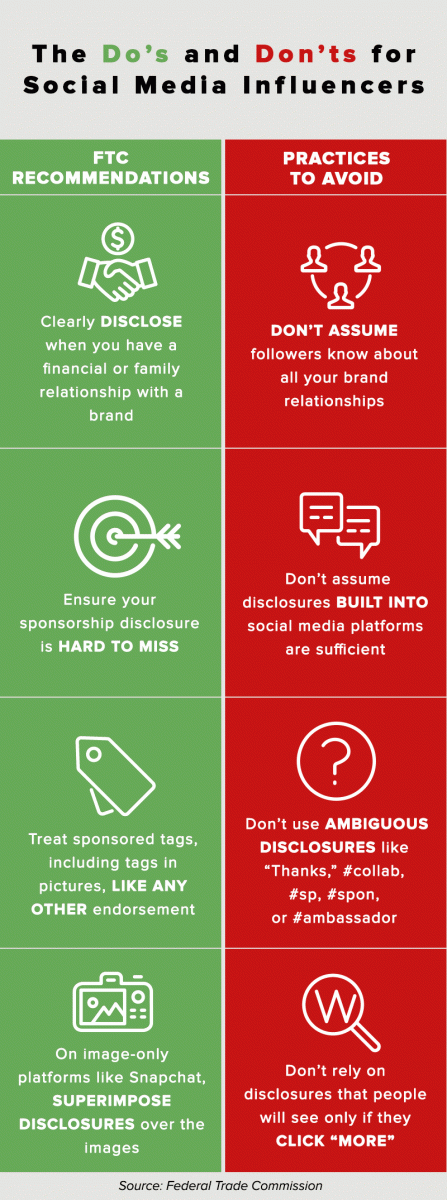
Why must we disclose advertisements? The FTC has created “truth in advertising” guidelines all brands must follow. It’s the reason for fine print in magazine ads and why pharmaceutical commercials must rattle off a long list of side effects. These guidelines exist to protect consumers and ensure they are receiving accurate information when viewing advertisements.
The problem with blog articles and social media posts is they all look the same. Therefore, it’s up to us, the content creator, to tell our followers when they are viewing an ad.
When do we disclose? Content creators must disclose whenever there is a financial or marketing relationship with a brand. This includes paid sponsored content, product reviews (received product for free), media/press events, and affiliate or referral links.
How do we disclose? The FTC states the disclosure must be “clear and conspicuous.” This means, 1) the reader will understand the disclosure and 2) the disclosure is difficult to miss.
For blog posts, where space is not an issue, you can type out a detailed disclosure such as, “This article is sponsored by
For social media posts, where space is at a premium, the FTC recommends using short disclosures such as “AD” or “Sponsored.” You could also type out “Sponsored by
For platforms serving video content (YouTube, Instagram Stories, Snapchat, TikTok), disclosure is required on every image/video that contains an endorsement (not just the first image). The disclosure must be visible in case someone is watching without sound, and must be easy to read and understand.
The FTC has stated the following disclosures are not clear enough and do not meet their standards:
• hosted
• gifted
• affiliate
• partner
• ambassador
• thank you